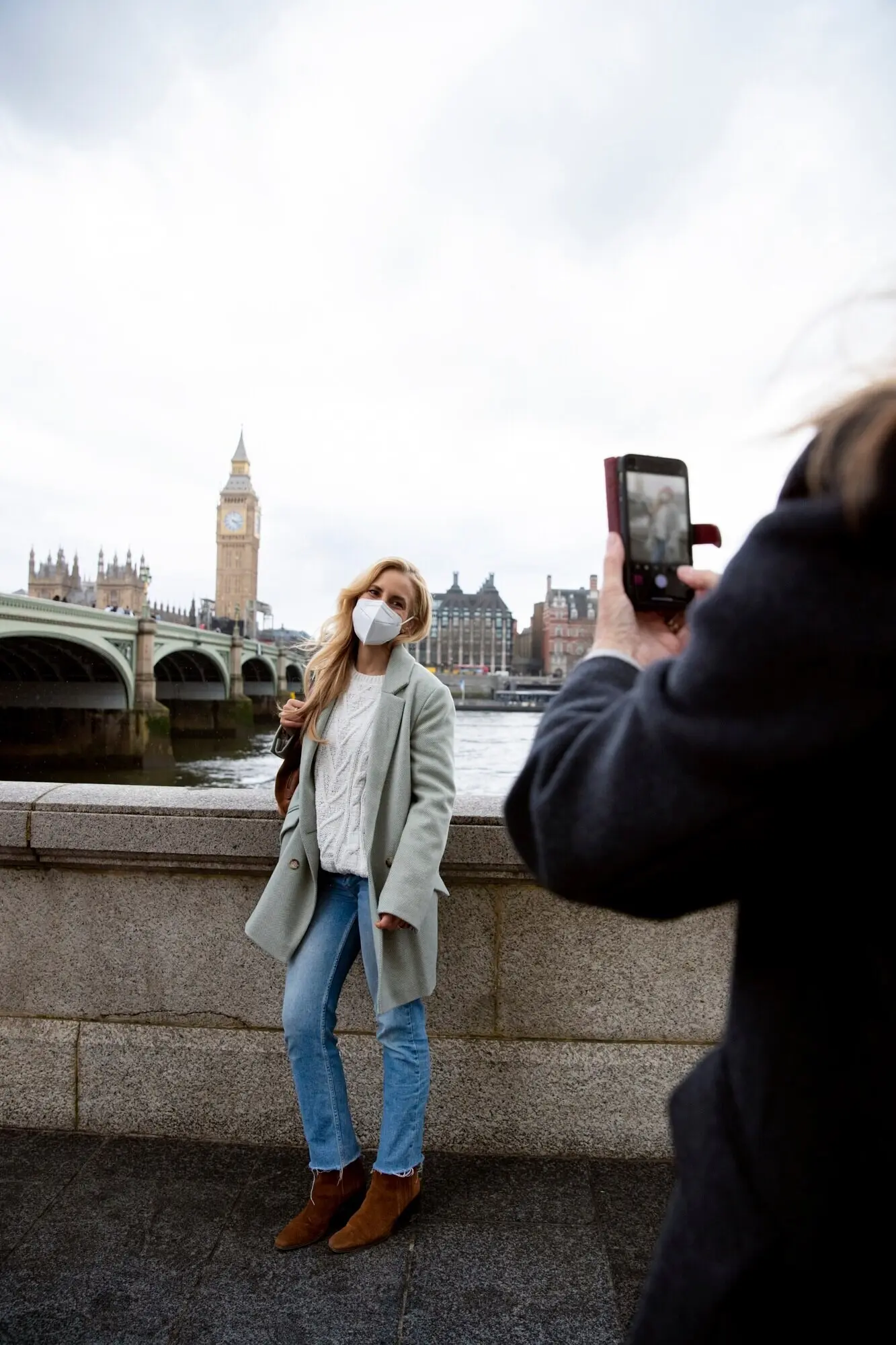
Walk Your Own Gallery Under Open Skies

Today we set out on self-guided walking tours of free landmarks and public art, exploring how to plan satisfying routes, read hidden stories, photograph respectfully, and connect with communities. Expect practical tips, playful ideas, and inspiring anecdotes that help you notice details, linger meaningfully, and make every sidewalk a personal museum without tickets, rush, or rules.

Map Smarts for an Unhurried Adventure

A fulfilling city walk begins with a route shaped to your rhythm rather than a strict schedule. Learn to bundle nearby points into satisfying clusters, balance distance with curiosity, and anchor your start and finish near transit. With a clear plan, you can embrace serendipity, pause for unexpected murals, and still feel confident about timing, comfort, and getting home without stress.

Cluster, Loop, or Line?

Think in shapes. A cluster concentrates several sculptures, murals, and historic facades within a small radius, perfect for slow observation. A loop returns you to your starting point after a graceful arc. A line tracks along a corridor, linking stations or bus stops, ideal for travelers who prefer simple navigation and flexible exits.

Offline Confidence

Download maps for offline use, pin points of interest, and save key addresses in a quick-access note. Add screenshots of transit diagrams and cross-street references. If your battery dips, you’ll still find that mosaic wall, commemorative arch, or community statue without panic, relying on printed crumbs, directional memory, and visible city landmarks.

Time Budget and Rest Windows

Estimate minutes per stop, then add generous buffer time for surprises. Mark benches, cafes, shaded squares, and public restrooms along your route. Short restorative breaks help you absorb details, sketch quickly, or read plaques without hurry, keeping both feet and attention fresh for the next discovery around that intriguing corner.

Stories That Bring Stone and Steel to Life
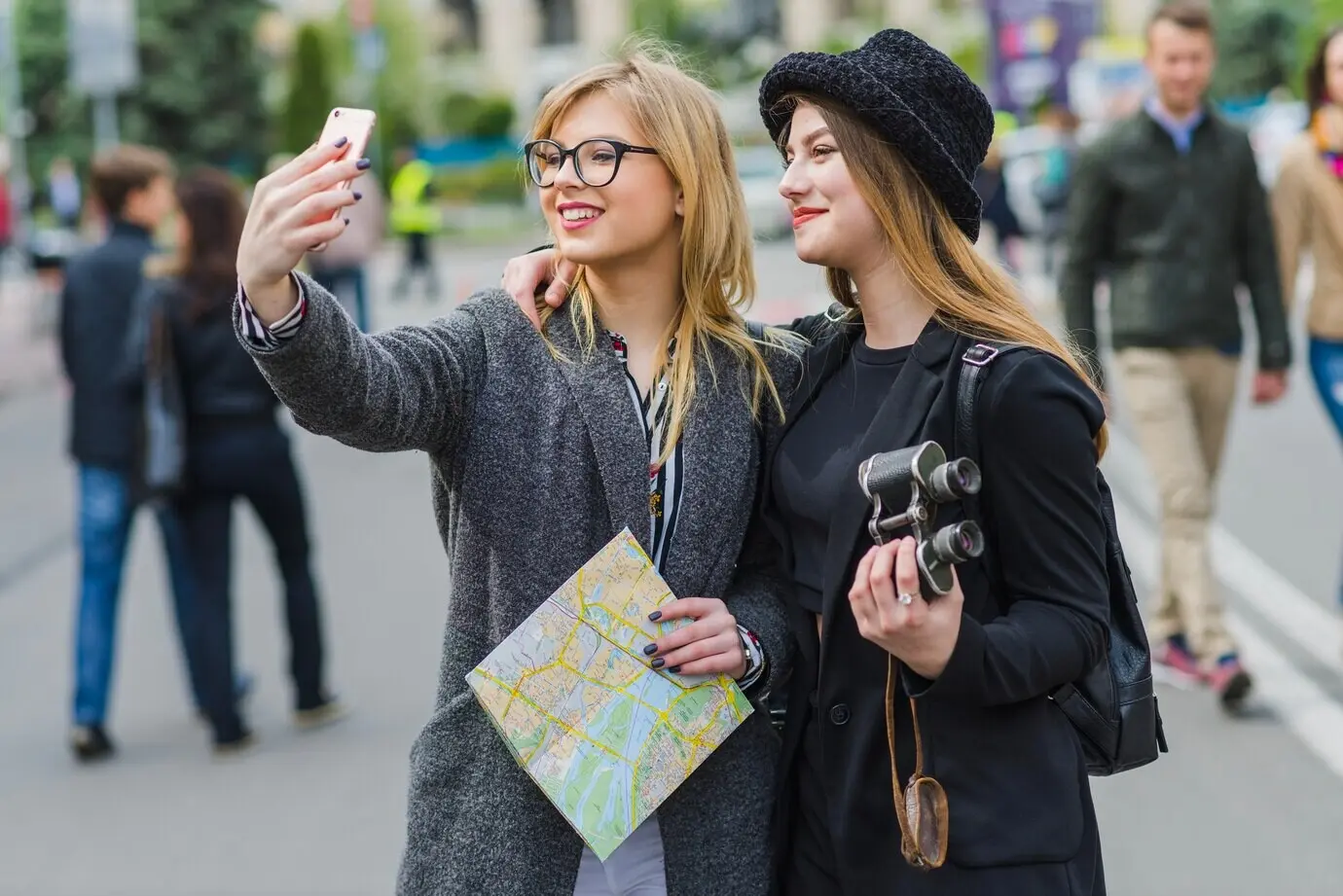
Public art and open-access landmarks transform when you know a sliver of the narrative behind them. A few minutes of research can turn a statue’s posture into purposeful symbolism and a mural’s color choice into testimony. With small historical threads, you weave personal meaning, creating a walk that feels intimate, thoughtful, and surprisingly unforgettable.

Respectful Photography and Sketching on the Move
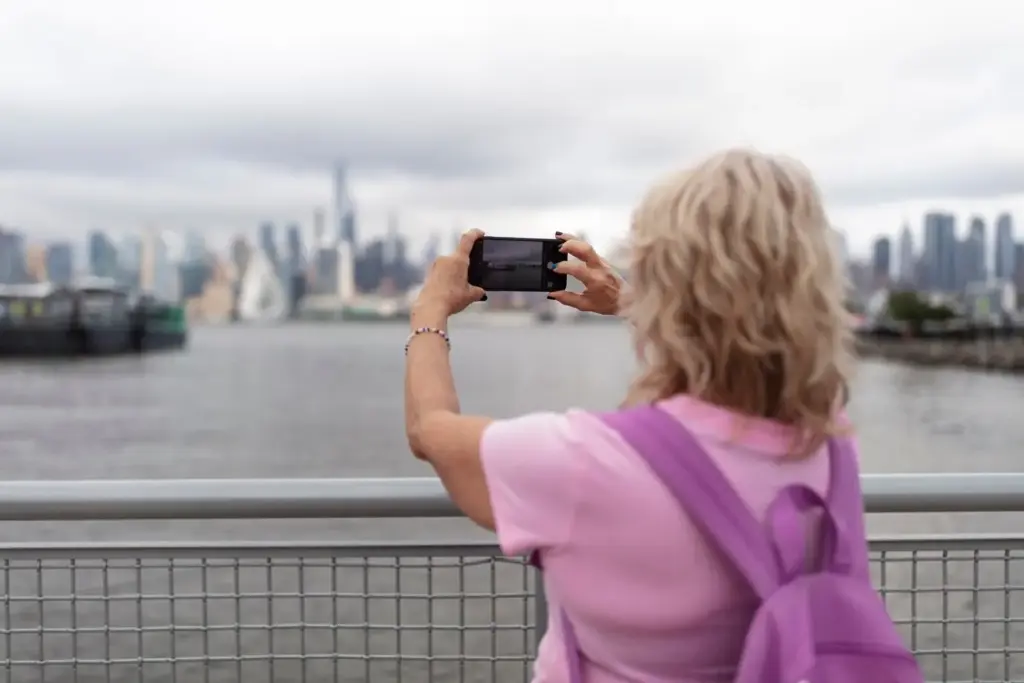
Capturing what you see should enhance, not interrupt, the experience. With mindful positioning, natural light, and quick composition, you celebrate the creators and the public who share the space. Whether snapping a candid texture or sketching lines, practice gentle etiquette so your creative souvenirs honor people, place, and artistic intentions.

Inclusive Wayfinding

Prefer routes with curb ramps, audible crossings, and clear sidewalks. Note elevator access at stations and avoid steep segments when possible. If walking with friends, rotate leadership so everyone sets a comfortable pace. Shared attentiveness to obstacles makes each stop more welcoming, allowing fuller engagement with the works you came to admire.

Micro-Weather Tactics

Cities create pockets of heat, wind tunnels, and sudden shade. Pack a compact layer, small sunscreen, and a foldable hat. Schedule south-facing murals earlier or later for softer light. After rain, watch for puddles near sculptures, and use reflections creatively while keeping footing safe on slick stone and metal surfaces.

Solo Walker Check-Ins

Text your route outline and expected return time to a friend, then check in midway. Choose well-lit streets and remain aware of surroundings when photographing. If something feels off, reroute confidently. Trusting instincts and communicating plans keeps your attention free to enjoy carvings, mosaics, and historic arches with ease.

Making Meaning With Play: Challenges, Logs, and Little Rituals
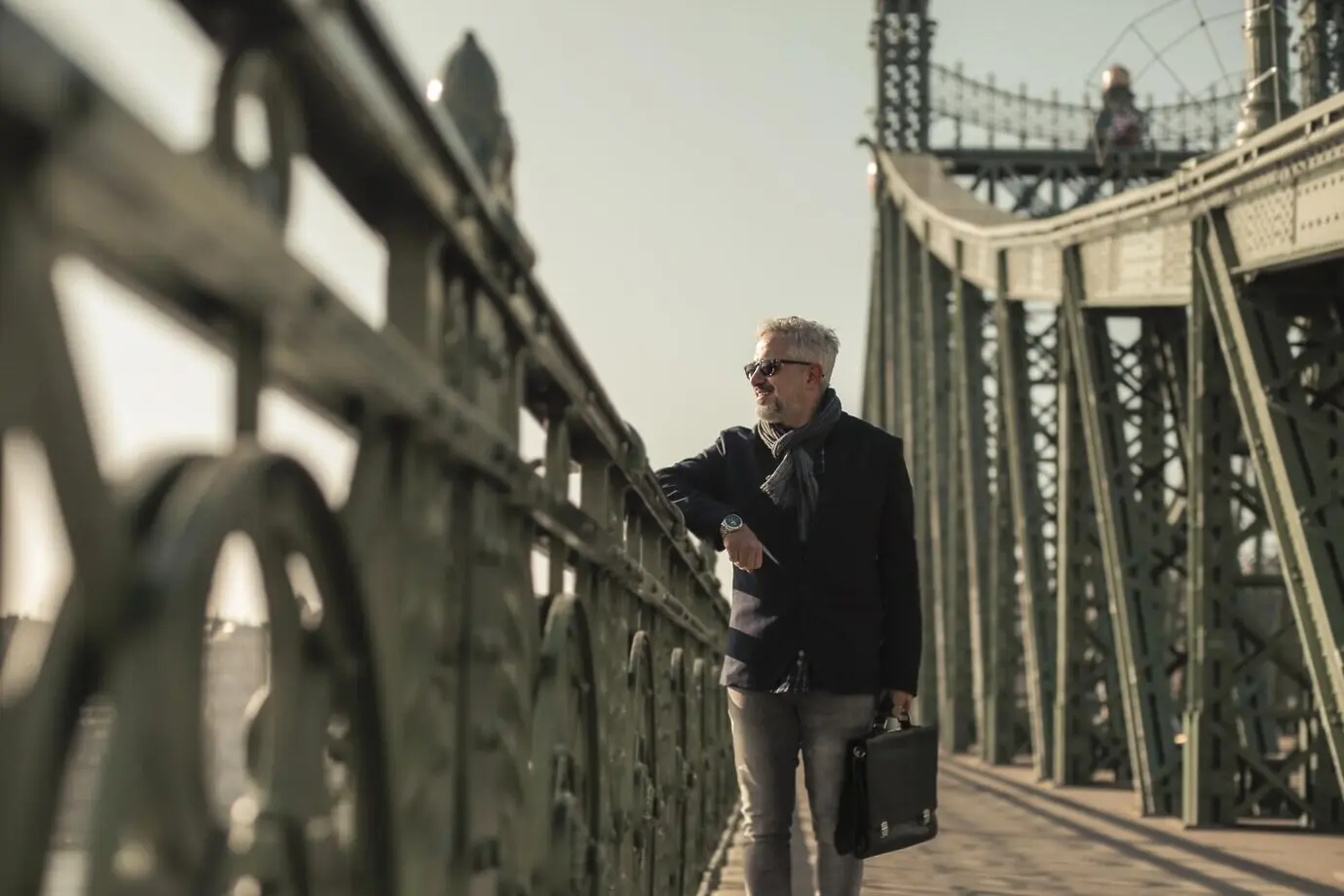
Turn exploration into a sustaining habit by adding playful structure. Small games spark alertness, short logs anchor memory, and repeated rituals create continuity between walks. This gentle framework keeps curiosity lively, encourages slow looking, and converts casual outings into a nourishing creative practice you’ll eagerly revisit every week.
Choose a color for the day—vermilion, teal, or bronze—and spot it in murals, signage, and patinas. Make a bingo card with motifs like hands, birds, circles, and stairs. Each find invites closer attention and conversation, transforming familiar blocks into a treasure map brimming with patterns you once overlooked.
After each stop, write a single ten-word sentence capturing impact and mood. Constraints spark clarity: “Copper soldier watches river; wind smells like bakery hope.” Over time, this compact archive reveals evolving tastes, seasonal shifts, and neighborhoods that quietly changed you, preserving sensations long after photos fade from your camera roll.
Pick one morning or evening as your standing appointment with the city. Use the same backpack, refill a small water bottle, and begin with a deep breath beside a favorite sculpture. The ritual builds ease, helping attention slip quickly into the rewarding state of steady, unforced noticing and delight.

Support the Scene Without Spending Much
Even when art and landmarks are free to enjoy, you can strengthen the ecosystem around them. Small gestures—thanking caretakers, sharing accurate information, or volunteering—multiply care. With thoughtful habits, you help keep spaces clean, creators visible, and future walks abundant with new installations and preserved historical treasures for everyone.
Zanozikonazupozoni
Privacy Overview

This website uses cookies so that we can provide you with the best user experience possible. Cookie information is stored in your browser and performs functions such as recognising you when you return to our website and helping our team to understand which sections of the website you find most interesting and useful.